

School holiday programs for teenagers are a different problem from the ones you booked when they were nine. A 15 year old will not go to anything that feels like childcare, and most of the listings that come up when you search are aimed at younger children. What is left is a mix of sport clinics, day courses, residential camps and leadership programs, each with a different promise and a different price.
This article is a checklist for working out which one is worth your teenager's time, and yours.
Start with what you want the holidays to do
Most parents are trying to solve one of four problems. Be honest about which one it is:
The last two are where residential programs earn their place. The first two are often better served locally.
School holiday programs for teenagers: the questions to ask
Before you book anything that involves an overnight stay, ask the organiser these questions. A good program will have ready answers.
Day program or residential?
Day programs are cheaper, lower risk and easier to abandon if it is not working. They are the right call for younger teenagers, first-timers who are nervous, and families where logistics are tight.
Residential programs ask more of the young person and tend to give more back. Being away from home for several nights, with people they did not choose, is where most of the independence and confidence gains happen. If your teenager has never been away without you, a shorter residential program (three to five nights) is a sensible first step.
Red flags
One example of a residential leadership program
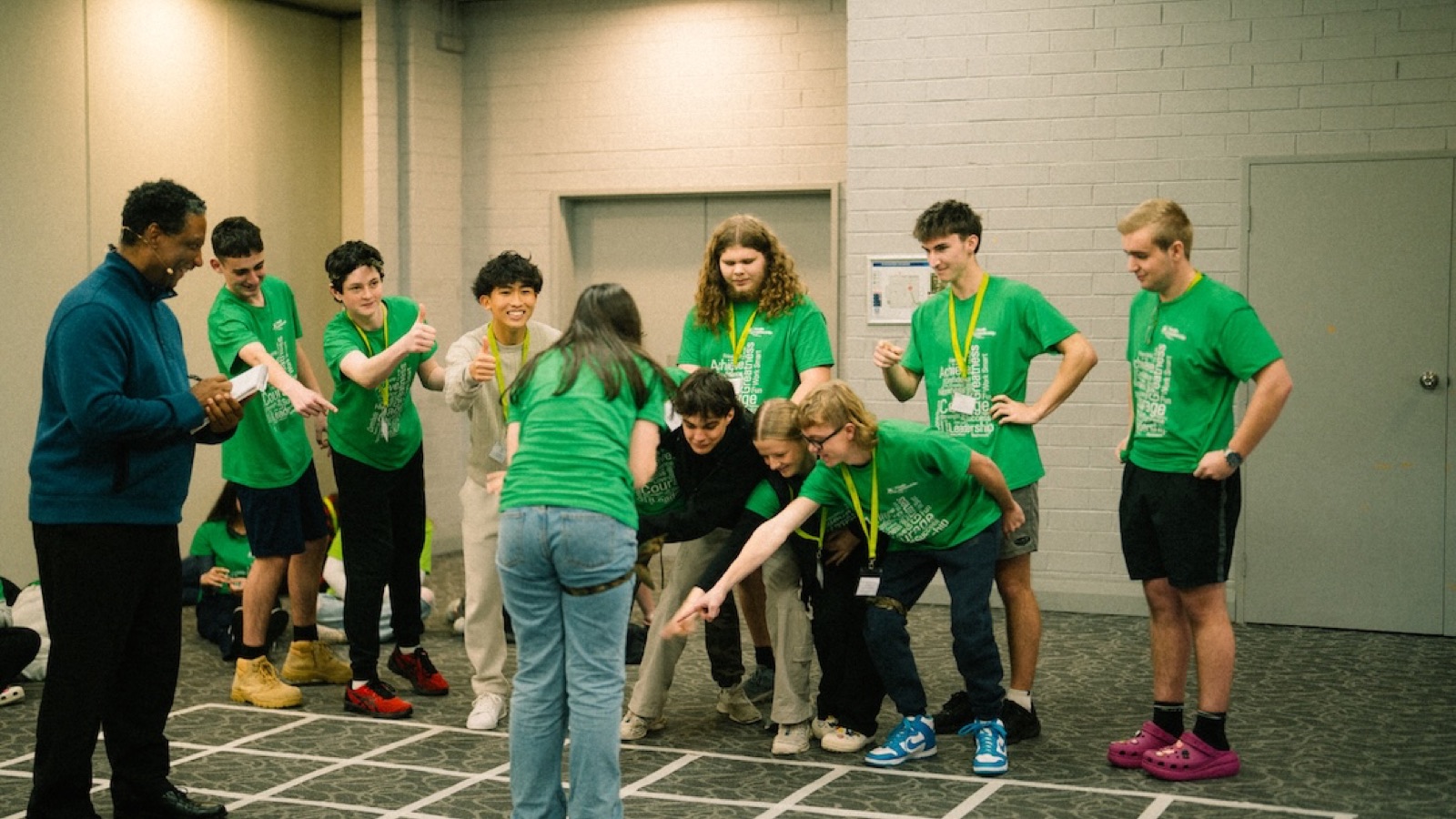
YLBS Australia runs a five-day residential Summit for young people aged 14 to 17 from across Australia and New Zealand, held from 5 to 9 July 2027 at CYC Phillip Island Adventure Resort in Victoria. Young people are placed in teams of 10 to 12 with others from different schools, each team led by a Youth Leader and a Leader, with one adult for every four young people. The week covers leadership, communication, public speaking, business and money, and wellbeing, and each team pitches a business idea to judges on the final day. Afterwards there is a 30-day Leadership Challenge and 11 monthly webinars, so the week has a tail. The first Summit was held in 2009 and it has run every year since 2011, and many places are sponsored by local Bendigo Community Bank branches.
If you want to run it through the checklist above, the free info pack includes the daily schedule, the supervision model and what to expect from the week.
Frequently asked questions
What age are school holiday programs for teenagers usually aimed at?
Most general holiday programs stop at 12 or 13. Programs for 14 to 17 year olds are more specialised, usually built around a skill, a sport or leadership, and often run as residential camps rather than day care.
Is a residential program safe for a 14 year old?
It depends on the program. Ask about adult-to-young-person ratios, screening of leaders, the daily schedule and what happens when a young person struggles. A good organiser will answer all of these clearly before you book.
How far ahead should I book a holiday program for my teenager?
Residential and leadership programs for the July holidays often open nominations many months in advance and fill early. Local day programs usually open a few weeks before the holidays.


